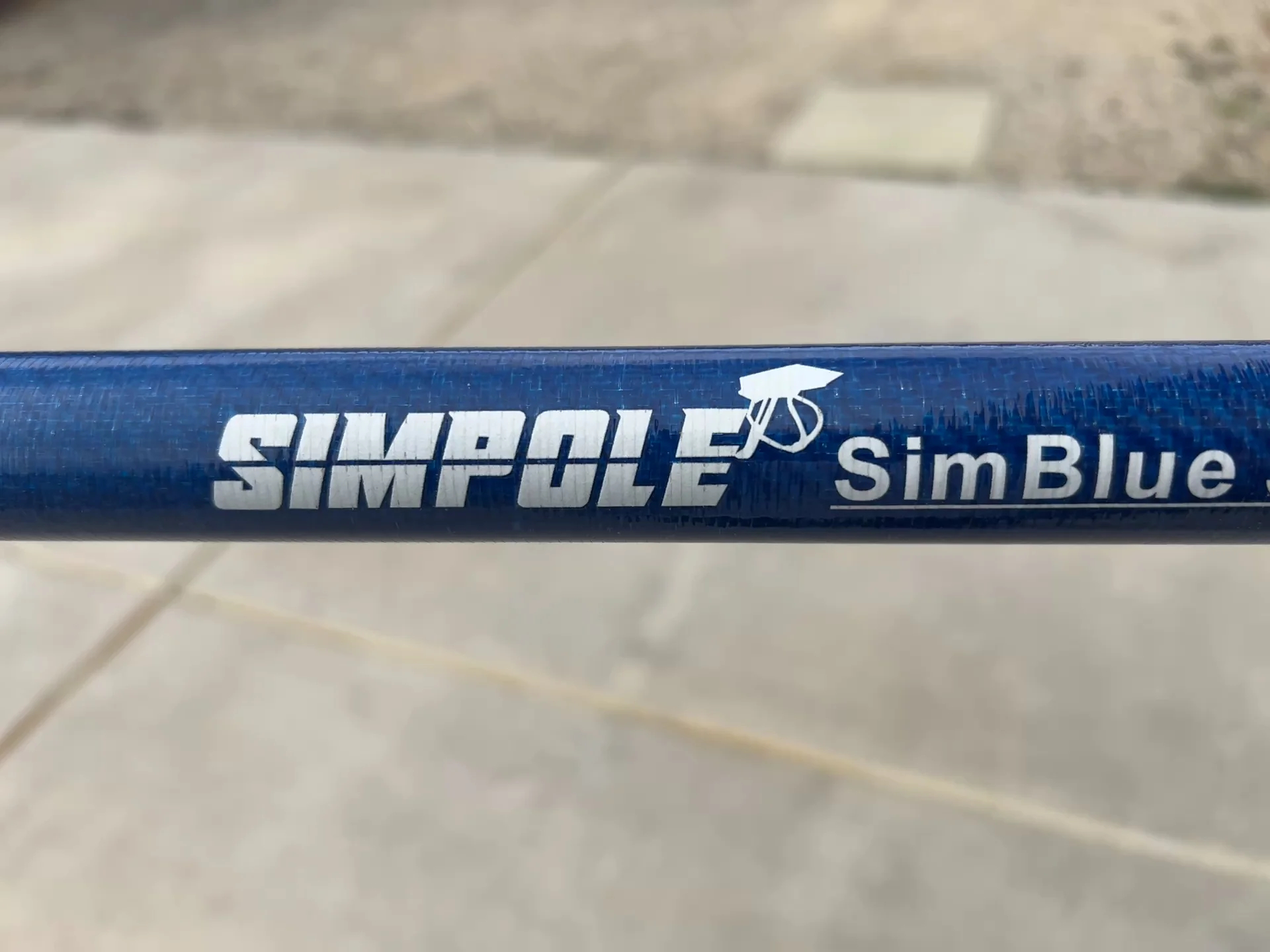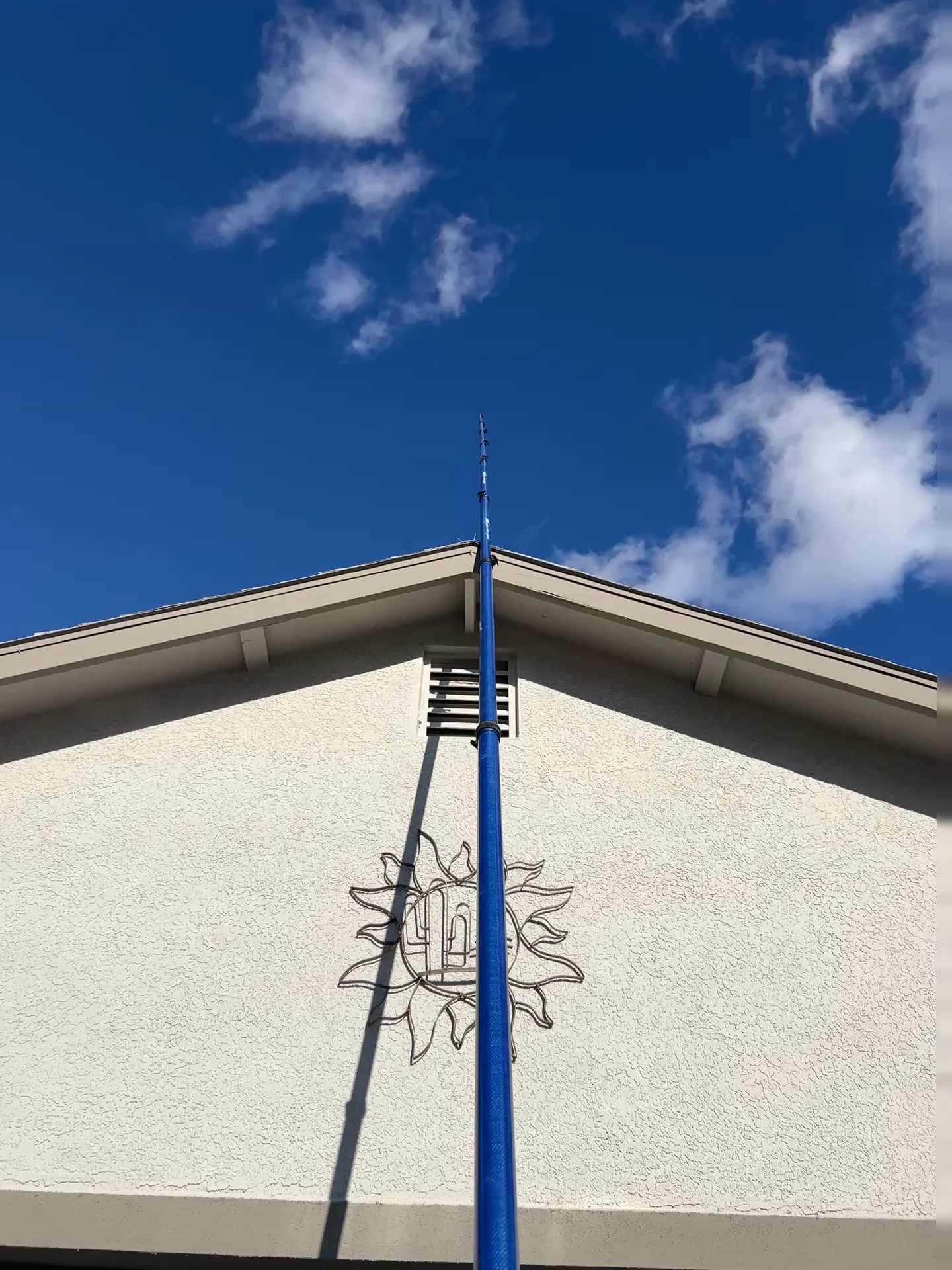


 for 60 foot 6.8 x 8 54′ one free extension to make 60′ feet!

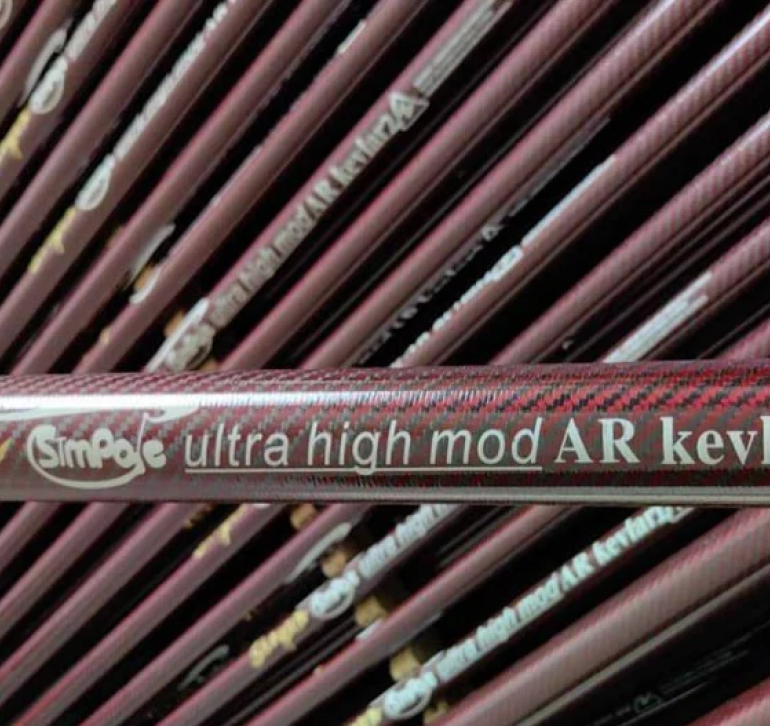
Yes — *SimPole safer poles are marketed as having non-conductive properties compared with typical carbon fiber poles:
🧪 What Simpole Claims About Conductivity
All simPole tested to 3,500.00 volts but only a burn mark on the pole but no burn though!
-
Simpole’s water-fed poles (like the SimBlue and SimSky) are described as having a non-conductive wrapped exterior and interior lining that reduces electrical conductivity versus standard carbon fiber poles. They are tested to withstand voltages (e.g., 3,500.00 to demonstrate lower conductivity.
-
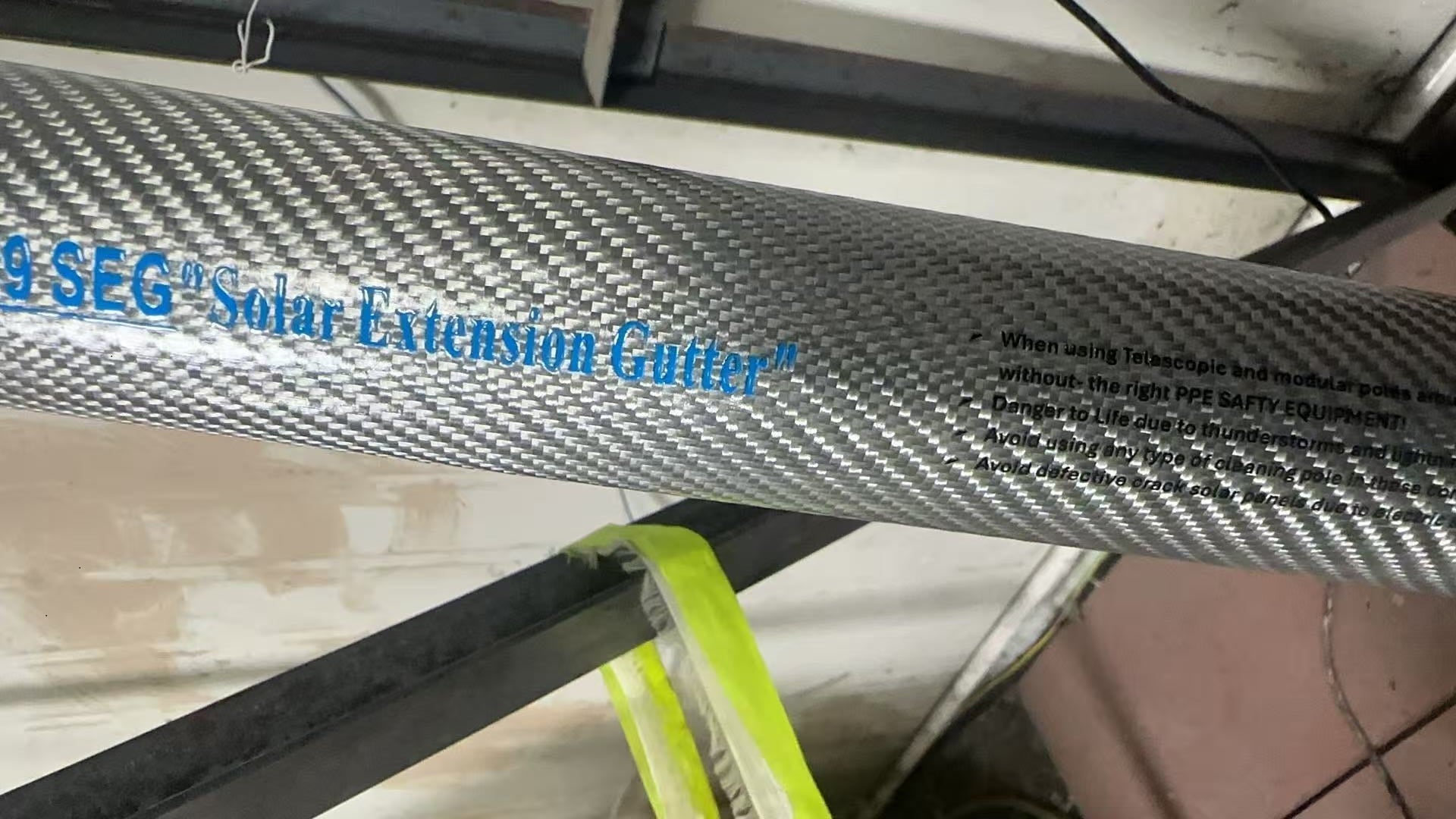
The company also sells a “conductive-resistant” solar panel pole version explicitly advertised as non-conductive at every section without sacrificing stiffness or weight.
⚠️ Important Notes About “Non-Conductive”
-
This doesn’t mean completely safe around live electrical sources. No water-fed pole (including Simpole) is guaranteed to fully insulate you from electricity — water itself conducts, and voltage ratings only show relative electrical resistance under test conditions.
-
Simpole themselves note that even with non-conductive materials, there’s still a risk of shock if the pole or water contacts power sources, and caution/PPE is still essential.
🧠 Quick Summary
-
Simpole poles are designed with non-conductive wrapping and materials to reduce electrical conductivity vs typical carbon fiber.
-
They are tested for electrical resistance (e.g., thousands of volts) to support that claim.
-
Not truly “fully non-conductive” in every real-world scenario, and safety practices around electricity are still required.
If you want, I can compare Simpole’s non-conductive poles vs other non-conductive options (e.g., fully fiberglass poles) and explain which is safer around live power lines.